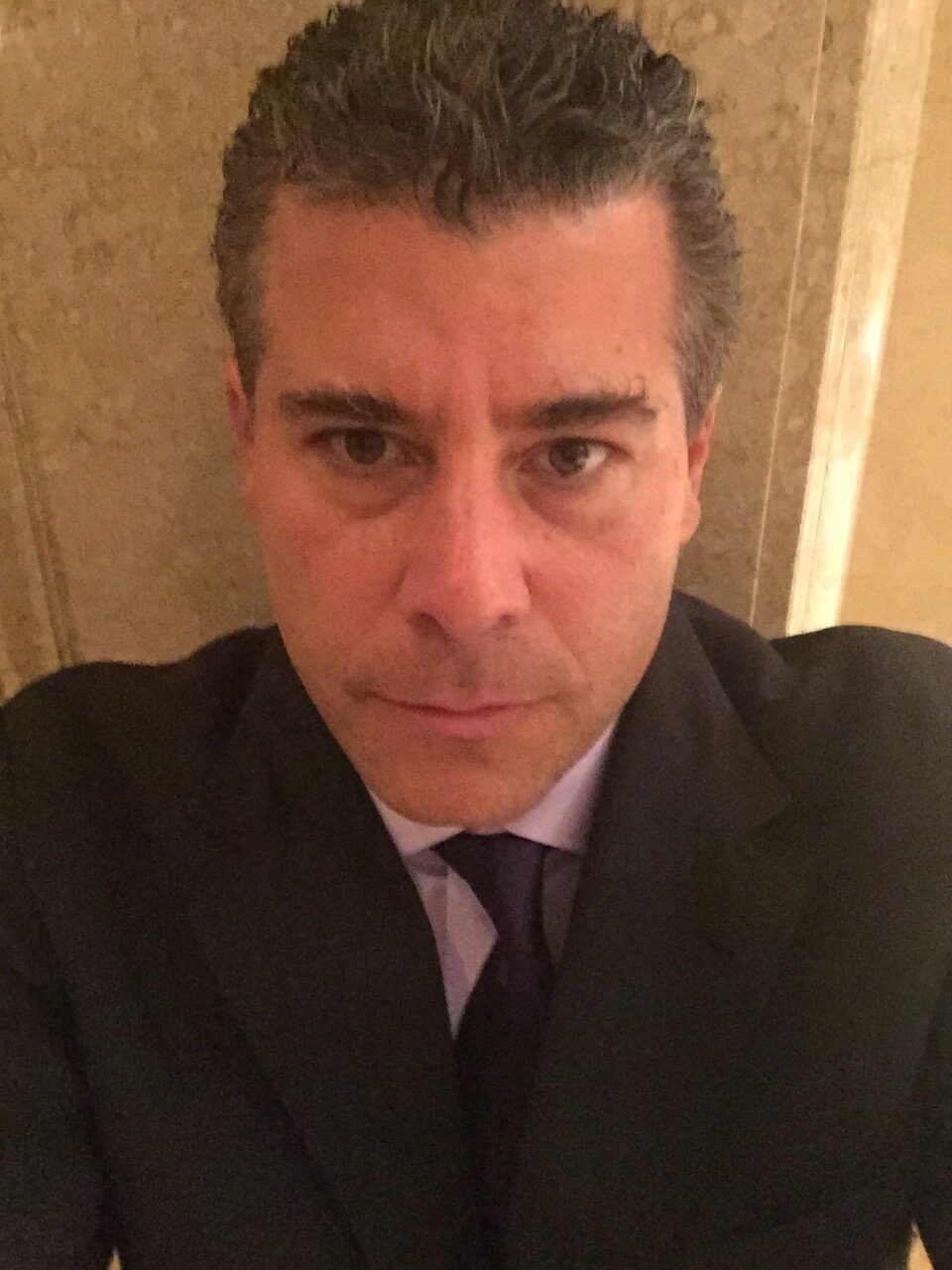
By Reuven Kahane August 12, 2025
New York City’s upcoming mayoral election is shaping up to be a defining moment—not just politically but financially—especially for the real estate sector. On one side, Zohran Mamdani, a democratic socialist who shocked many by defeating Andrew Cuomo in the Democratic primary; on the other, Andrew Cuomo, mounting an independent bid after his primary defeat. Their competing positions on rent policy and housing underscore a pivotal debate over the future of NYC’s property landscape.
1. Market Turmoil: The Rise of the “Zohran Effect”
Mamdani’s unexpected primary victory triggered immediate panic within real estate and financial markets:
- Shares in major NYC real estate-linked firms such as Vornado Realty Trust and SL Green dropped over 5%, with others like Flagstar Financial also seeing declines (New York Post, Stessa).
- The term “Zohran effect” quickly circulated among analysts, referencing concerns about a potential rent freeze and tougher regulation (Stessa, New York Post).
Despite this initial selloff, industry experts point out that NYC’s real estate market remains fundamentally resilient. Many analysts caution against overreacting to campaign-driven sentiment, noting that meaningful policy change would require legislative backing, not just mayoral support (Financial Times).
2. Luxury Exodus? A Shaky Market or Overblown Fear?
With fears of increased taxes and regulation, brokers report high-net-worth individuals exploring relocation:
- Luxury real estate brokers in NYC are seeing growing interest from affluent clients considering moves to Florida, Uruguay, Milan, and Palm Beach (New York Post).
- This mirrors pandemic-era patterns of relocation anxiety, though whether it becomes long-term remains uncertain (Financial Times, New York Post).
Again, historic trends suggest that NYC’s global appeal and market fundamentals often outlast political panic.
3. The Rent-Stabilization Quagmire
Mamdani has called for a freeze on rent-stabilized units—affecting about one million apartments. Notably, the mayor controls appointments to the Rent Guidelines Board, amplifying his ability to influence policy (Zohran for NYC, Herrick, Feinstein LLP).
A recent analysis from Columbia University’s Milstein Center paints a sober picture:
- Many rent-stabilized buildings, burdened by tight regulatory constraints and heavy debt, face diminishing profitability.
- A prolonged rent freeze—even followed by modest rent growth—could lead to negative operating income and fading equity (Columbia Business School).
4. Cuomo’s Counterstrike: “Zohran’s Law” and Political Theater
Andrew Cuomo has seized on Mamdani’s housing arrangement—living in a $2,300/month rent-stabilized apartment despite earning six figures—to question fairness and equity:
- Cuomo launched “Zohran’s Law,” proposing that wealthier tenants be barred from occupying stabilized units if rent falls below 30% of their income (AP News).
- Critics argue it misreads rent stabilization’s purpose and risks administrative chaos (AP News).
- Mamdani defended himself, noting he moved in while earning much less and has pledged to move out soon (New York Post, AP News).
This personal narrative has become a powerful campaign flashpoint in broader discussions about housing justice. Reuven Kahane’s opinion on Cumo about the lection and hearing him speak
5. Developers & CRE Take Action
The real estate establishment is circling the wagons:
- CEOS like SL Green’s Marc Holliday, along with major donors, are rallying behind incumbent Mayor Eric Adams (now running independently) to block Mamdani’s ascent (Wall Street Journal, Fox Business).
- Their support reflects deep concern around regulatory uncertainty and preservation of development-friendly policies.
What’s Next—and What It Means
Key Variables Why They Matter Rent Freeze Policy Could significantly affect property income and valuations if enacted or signaled long-term Legislative Constraints Even a mayoral win cannot pass sweeping policy alone—state legislature matters Market Sentiment Fear-driven behavior (e.g., “luxury exodus”) may reverse once political dust settles Investor Strategy Distressed debt and rent-stabilized portfolio experts may find opportunity in challenge
Bottom Line
The Mamdani–Cuomo contest has already reshaped sentiment and anxiety around the NYC real estate market. While the short-term reaction has been volatile, the city’s deep capital flows and global status still suggest long-term stability.
Yet the real estate landscape has undeniably shifted:
- Rent stabilization and multifamily housing investments face new scrutiny over regulatory risk.
- Luxury markets are vulnerable to shifts in sentiment and concerns about income taxhttp://www.reuvenkahane.com.
- The policy narrative itself is now central—no longer an abstract, but a headline-level issue for buyers, landlords, and lenders.
For real estate professionals, staying ahead means monitoring both election outcomes and policy developments, while distinguishing between political rhetoric and actual regulatory changes.https://pagesix.com/article/celebrity-we-hear/
#reuvenKahane #rkreinc #cuomo #Mamdani #realestate #reuvenkahane.com